
bedroom mirror with lights
The Importance of Small Bore Gauge Sets in Precision Measurement In the world of manufacturing and engineering, precision measurement is paramount. One tool that has gained significant importance in ensuring that components meet the required specifications is the small bore gauge set. These specialized gauges are essential for measuring the internal diameters of various objects, especially in applications where traditional measuring tools fall short. Understanding Small Bore Gauge Sets Small bore gauge sets are designed specifically for measuring small internal diameters, typically ranging from a few millimeters to several centimeters. The design of these gauges allows operators to achieve highly accurate measurements in confined spaces, which are not easily accessible with standard tools. A typical small bore gauge set includes a gauge body, a measuring probe, and a micrometer or digital readout for capturing measurements. One of the most notable features of small bore gauges is their ease of use. They usually come with a tapered probe that helps in aligning the gauge precisely within the bore of the object. Once the gauge is inserted, it expands or contracts to make contact with the internal walls of the bore, allowing the user to take an accurate reading. Applications of Small Bore Gauge Sets The applications of small bore gauge sets are extensive and span across various industries . In automotive manufacturing, for instance, these gauges are used to ensure that engine cylinders, fuel injectors, and other critical components have the correct internal diameters for optimal performance. Similarly, in the aerospace industry, precision in measurements is crucial. Small bore gauges help ensure that parts fit together correctly, which is vital for the safety and function of aircraft. Moreover, these gauges are invaluable in the medical industry. With the rise of minimally invasive surgical techniques, the demand for precision tools that can measure small internal bores has increased. Small bore gauges are used to measure the diameters of tubing, catheters, and other medical devices where precision is vital for patient safety. small bore gauge set Advantages of Using Small Bore Gauge Sets One of the key advantages of small bore gauge sets is their ability to provide highly accurate measurements. Many modern small bore gauges come with digital readouts that allow for even more precise readings, minimizing the potential for human error that can occur with mechanical gauges. Additionally, the repeatability of measurements is essential in quality control processes, and small bore gauges excel in this regard. Another benefit is their adaptability. Small bore gauge sets often come with interchangeable probes that can be used for various applications, making them versatile tools in any measurement toolkit. The compact design of these gauges also means they can fit easily into tight spaces without sacrificing accuracy. Calibration and Maintenance Ensuring the accuracy of small bore gauges is critical, which is why regular calibration and maintenance practices are necessary. Calibration involves comparing the measurements of the gauge against standard reference points to ensure their accuracy. Many manufacturers recommend calibration at set intervals or after significant usage. Maintenance typically includes cleaning the gauges after use, checking for wear or damage, and storing them in protective cases to prevent contamination or accidental damage. By adhering to proper maintenance protocols, users can extend the lifespan of their small bore gauge sets and maintain their accuracy. Conclusion In conclusion, small bore gauge sets play a vital role in precision measurement across various industries. Their ability to measure small internal diameters with high precision makes them indispensable tools in manufacturing, aerospace, automotive, and medical applications. As technology continues to advance, it is expected that innovations in small bore gauge design will further enhance their accuracy and usability, making them even more integral to quality control processes. Whether you are an engineer, quality control manager, or manufacturer, investing in a reliable small bore gauge set is a step towards ensuring that your products meet the highest standards of quality and safety.
about
bedroom mirror with lights
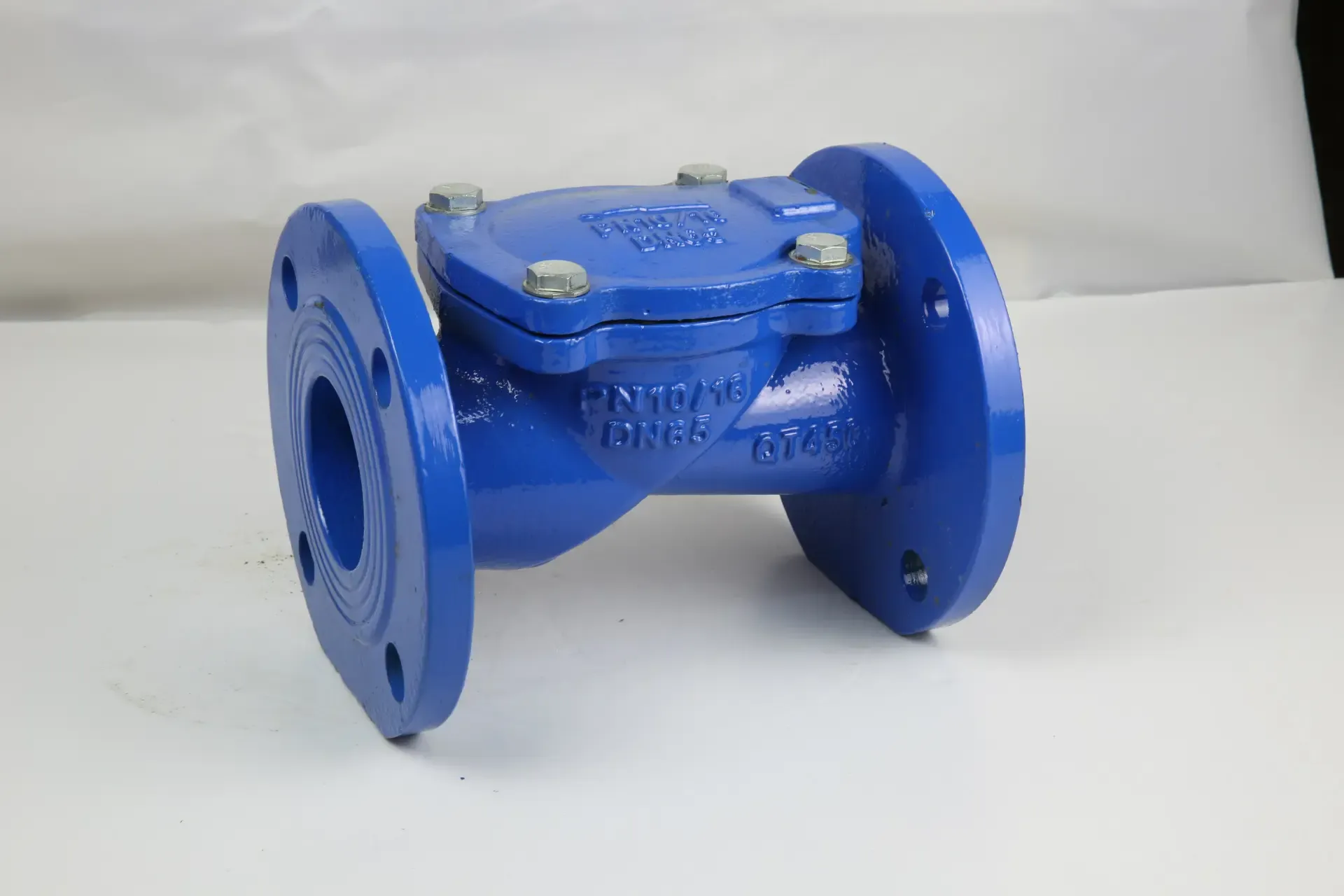
Understanding the 18% Globe Valve Function, Design, and Applications The 18% globe valve is a crucial component used in various industrial applications, specifically designed to regulate flow within a piping system. The term globe valve refers to its distinctive shape, resembling a globe with a movable disc—an essential feature that allows users to effectively control the flow of liquids, gases, or slurries. Among the various designs of valves, the globe valve stands out for its ability to provide precise control, making it a preferred choice in many engineering applications. Design and Structure The 18% globe valve incorporates a body typically comprising cast iron, stainless steel, or brass, depending on the specific application and environmental conditions. The 18% in its name often refers to the valve's port design, which achieves an 18% flow area percentage of the pipe's internal diameter. This design feature helps to ensure significant pressure drop while sustaining flow control, making it ideal for throttling applications. The fundamental structure of the valve includes several key components the body, bonnet, disc, seat, and stem. The body houses the fluid flow, while the bonnet serves as a cover for the internal components. The disc is the pivotal element that responds to the stem's movement, either opening or closing the flow path. The seat, where the disc rests when the valve is closed, forms a critical seal that prevents leakage. Functionality The primary function of the 18% globe valve is to regulate flow. Unlike gate valves, which are designed to either fully open or close, globe valves allow for partial closure, enabling them to perform effectively in throttling applications. When the disc is raised slightly off the seat, it creates a significant resistance against the flow, thus controlling the rate at which fluid passes through the valve. Although globe valves are efficient for flow control, they can result in a pressure drop due to their design, meaning that higher pressure is required to maintain flow. This attribute must be taken into account when designing a piping system, especially for high-pressure applications. 18 globe valve Applications The versatility of the 18% globe valve makes it suitable for a wide range of applications across multiple industries. In water treatment facilities, these valves are used to control flow rates depending on the treatment process. In power plants, globe valves serve similar purposes, often regulating steam and water flow to turbines and generators. Moreover, the oil and gas industry finds extensive uses for these valves in pipelines and refineries, where they help manage high-pressure fluids. In HVAC systems, globe valves can control the flow of water or refrigerants, enhancing the efficiency of heating and cooling processes. Advantages One of the significant advantages of the 18% globe valve is its ability to provide tight sealing capabilities. This feature minimizes the risk of leakage, which is crucial in applications involving hazardous liquids or gases. Additionally, the valve’s design allows for maintenance and replacement of internal components, such as the disc and seat, helping to extend the overall lifespan of the valve. Furthermore, the globe valve's ability to handle a wide range of pressures and temperatures makes it a reliable choice for many conditions. It's also worth noting that the design allows for easy installation in various orientations, providing flexibility in engineering design. Conclusion In summary, the 18% globe valve represents a critical component in fluid control systems, offering precise regulation of flow across several industries. Its robust design, functional versatility, and reliable performance make it indispensable in applications ranging from water treatment to oil and gas and HVAC systems. Although it is associated with some pressure loss, the advantages it brings to controlled flow far outweigh the drawbacks, making it a popular choice among engineers and facility operators alike. Understanding the features and functions of the 18% globe valve can aid in selecting the right valve for a specific application, ensuring optimal performance and safety in industrial environments.
-

High quality industrial productsagement

High quality industrial products
View Details -

Meet the diverse needs of customers

Meet the diverse needs of customers
View Details -

Strict quality control

Strict quality control
View Details -

Top raw materials

Top raw materials
View Details -

Trusted supplier

Trusted supplier
View Details
Our application

news and information

Wood Connectors and Brackets for Building Strong and Durable Wooden Structures and Projects
Brackets for Connecting Wood An Essential Tool for Any Woodworking Project When it comes to woodwork
water pressure valve
Understanding Water Pressure Valves A Crucial Component for Plumbing Systems Water pressure valves a

Wichtigkeit der Genauigkeit in der modernen Mess- und Regeltechnik
Der Einfluss von Gauge C auf die moderne Technologie In der heutigen digitalen Welt spielen Präzisio
 English